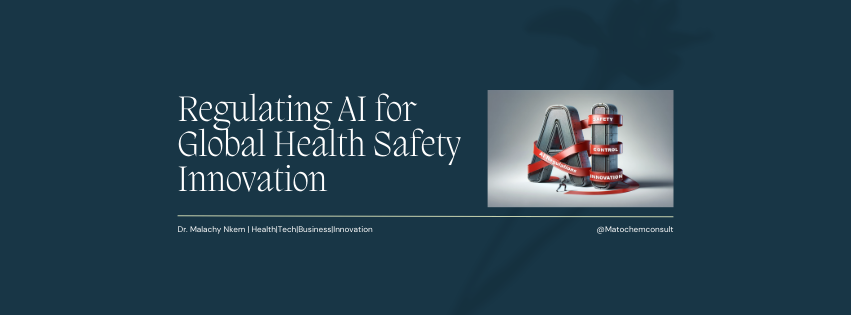
Summary:
The article discusses the urgent need for AI regulation in healthcare, focusing on the EU AI Act, which categorizes AI systems by risk levels and enforces compliance measures, contrasting with the US approach.
Original Link:
Original Article:
The rapid advancement of artificial intelligence in healthcare presents unprecedented opportunities to improve global health outcomes while simultaneously raising critical safety concerns. As AI systems become increasingly integrated into medical diagnostics, treatment planning, and health monitoring, the need for effective regulatory frameworks has never been more urgent. The European Union and United States have emerged as influential players in shaping how AI technologies are governed, though their approaches differ substantially in both philosophy and implementation.
Divergent Regulatory Approaches: EU vs. US
The European Union has taken a decisive step with the EU AI Act, which came into effect in August 2024. This landmark legislation establishes a comprehensive legal framework that categorizes AI systems into four distinct risk levels: prohibited, high, limited, and minimal risk. This tiered approach targets regulation proportionally to potential harm. Systems designated as high-risk must undergo rigorous compliance measures including risk assessments, technical documentation, and human oversight provisions. The EU framework imposes substantial penalties for violations, with fines reaching up to €35 million or 7% of global annual turnover.